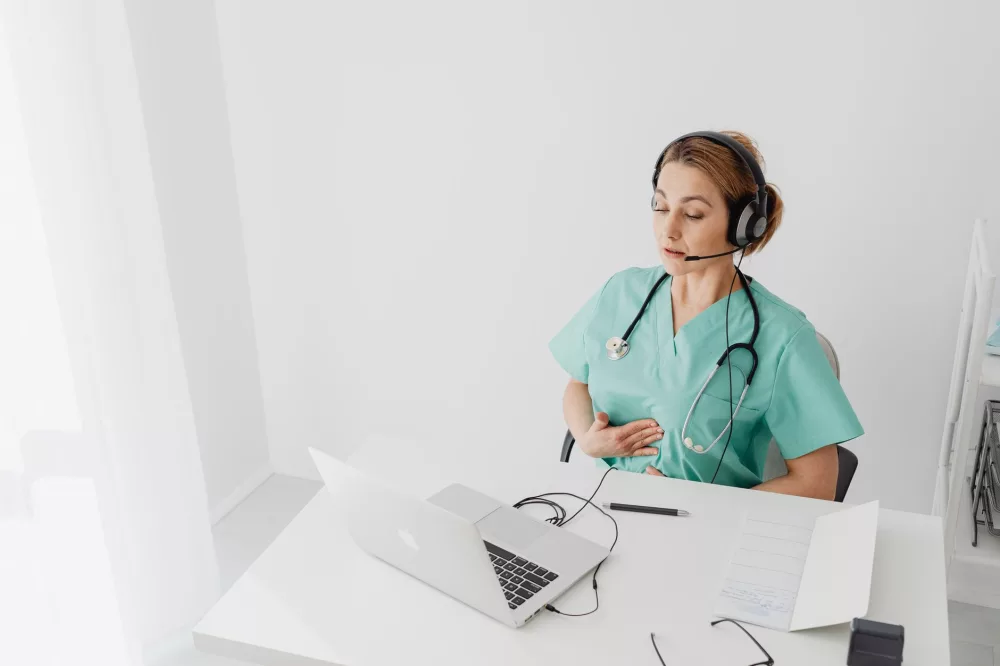
You know, for years, when someone mentioned 'nursing,' my mind immediately pictured bustling hospital floors, busy clinic rooms, or perhaps a home visit. The idea of a nurse working from their own living room felt, well, a bit futuristic, didn't it? But times, they are a-changin', and I've seen firsthand how rapidly the healthcare landscape is evolving. Today, I want to chat with you about something pretty exciting and increasingly popular: the world of work-from-home (WFH) nursing jobs. These aren't just niche roles anymore; they're becoming a vital part of our healthcare system, offering incredible opportunities for nurses seeking a different kind of balance and professional satisfaction.
Many nurses, myself included, often dream of escaping the demanding physical and emotional toll of bedside care without leaving the profession we love. We're looking for flexibility, a break from long commutes, and perhaps more control over our daily schedules. Remote nursing roles often provide just that. But what exactly do these jobs entail, and are they right for you? Let's break it down together.
What Does 'Work From Home' Mean for a Nurse?
When I talk about WFH nursing, I'm generally referring to roles where a licensed registered nurse (RN) performs their professional duties remotely, typically from a home office. This usually involves using technology like computers, specialized software, and telecommunication tools to interact with patients, other healthcare providers, or insurance companies. It's not about abandoning patient care entirely; it's about delivering it, or supporting it, in a different, often more accessible, format.
Why Are WFH Nursing Jobs Growing?
I think there are a few key drivers here. First, technology has made it so much easier. High-speed internet, secure video conferencing, and advanced electronic health records (EHRs) mean we can do so much from afar. Second, there's a huge demand for healthcare services, and remote options can help bridge geographical gaps and improve access. Finally, companies are recognizing the benefits of a flexible workforce, which can lead to higher employee satisfaction and retention. It's a win-win, really.
Exploring the Different Types of Remote Nursing Roles
You might be surprised by the variety of positions available. It's not just one size fits all, and each type requires a slightly different skill set. Here are some of the most common ones I've come across:
- Telehealth Nurse: This is probably what most people think of first. As a telehealth nurse, you're using phone calls or video conferencing to assess symptoms, provide medical advice, educate patients, and even help manage chronic conditions. I've heard from many nurses that they find this incredibly rewarding, especially when they can guide someone through a health concern without them having to travel to a clinic.
- Case Manager: My experience tells me that these roles are all about coordination. You're working with patients who have complex medical needs, helping them navigate their treatment plans, coordinating care between different providers, and ensuring they have access to the resources they need. This often involves a lot of phone calls, documentation, and problem-solving, all doable from home.
- Utilization Review Nurse: In this role, you're usually working for insurance companies or healthcare organizations. Your job is to review patient charts and medical records to determine if the prescribed care is medically necessary and appropriate. It's a critical role for ensuring healthcare resources are used effectively, and it's almost entirely document-based, making it perfect for remote work.
- Triage Nurse: Often a subset of telehealth, a triage nurse assesses patient symptoms over the phone to determine the urgency of their condition and direct them to the appropriate level of care. This could mean advising them to visit an urgent care center, schedule a doctor's appointment, or even call emergency services. It demands sharp assessment skills and quick thinking.
- Health Coach or Educator: If you love teaching and empowering patients, this might be for you. You'll work with individuals or groups to help them achieve health goals, manage conditions like diabetes or heart disease, or adopt healthier lifestyles. This can be done through scheduled coaching calls or virtual education sessions.
- Clinical Documentation Specialist (CDS): This position involves reviewing medical records to ensure the documentation accurately reflects the patient's condition and the care provided. It's crucial for accurate coding, billing, and quality reporting. It’s a very detail-oriented role, and one that doesn't require direct patient contact.
- Nurse Informaticist: For my tech-savvy nurse friends, this is a fantastic option. Nurse informaticists bridge the gap between clinical practice and information technology. They help design, implement, and optimize healthcare information systems, often working on projects that can be done remotely.
- Legal Nurse Consultant (LNC): If you've got a knack for critical analysis and an interest in the legal system, consider becoming an LNC. You'd review medical records, interpret medical information for legal cases, and serve as an expert witness, often working independently from your home office.
The Real Perks: Why Nurses Love Working from Home
I've talked to so many nurses who've made the switch, and the benefits they highlight are pretty consistent. For me, personally, some of these resonate deeply.
- Unmatched Flexibility: This is probably the biggest draw. Many WFH roles offer flexible hours, allowing you to better manage family responsibilities, personal appointments, or even pursue further education. It's a game-changer for work-life balance.
- Reduced Commute and Costs: Imagine reclaiming those hours spent in traffic! Not only do you save time, but you also save money on gas, vehicle maintenance, and even professional wardrobe. It adds up, believe me.
- Less Physical Strain: Let's be honest, bedside nursing is physically demanding. Remote roles typically eliminate the lifting, constant standing, and fast-paced movement, which can be a huge relief, especially if you have chronic pain or are looking to extend your career.
- Wider Job Opportunities: Your job search isn't limited by geography anymore. You can apply for positions with companies across the country, as long as you're licensed in the relevant states. This really opens up the possibilities.
- A Quieter Environment: While some people thrive in the hustle and bustle, many of us appreciate a quieter, more controlled work environment. Your home office can be tailored to your preferences, promoting focus and reducing external stressors.
Addressing the Downsides: Challenges to Consider
It's not all sunshine and rainbows, though. Like any job, WFH nursing has its own unique set of challenges that I think it's important to be aware of.
- Potential for Isolation: Nursing is a highly social profession, and working alone can sometimes feel isolating. You might miss the camaraderie of your colleagues. It's something I've heard many remote nurses mention, and it takes proactive effort to stay connected.
- Maintaining Work-Life Boundaries: When your office is in your home, it can be tough to 'switch off.' The lines can blur, leading to overwork if you're not disciplined about your schedule.
- Technological Reliance: You need reliable internet, a functional computer, and a good understanding of various software platforms. Tech glitches can be incredibly frustrating and impact your ability to do your job.
- Distractions at Home: Kids, pets, household chores – your home environment comes with its own set of potential distractions. Creating a dedicated workspace and setting boundaries with family members is crucial.
- Licensing Complexities: If you're working for a company that serves patients in multiple states, you might need to hold licenses in each of those states, which can involve extra paperwork and fees. It's definitely something to research thoroughly.
Essential Skills and Qualities for Remote Nursing Success
From my perspective, thriving in a WFH nursing role requires a blend of core nursing competencies and some specific remote-work skills.
- Outstanding Communication Skills: Since you're not face-to-face, your verbal and written communication needs to be crystal clear, empathetic, and professional. You're relying entirely on your words to convey understanding and information.
- Tech Savvy: You don't need to be an IT expert, but you must be comfortable navigating computer systems, virtual platforms, and electronic health records. A willingness to learn new software is non-negotiable.
- Strong Organizational Skills: Managing your own schedule, prioritizing tasks, and keeping track of patient information without direct supervision requires excellent organization.
- Self-Discipline and Motivation: There's no manager peering over your shoulder. You need to be self-driven, able to stay focused, and meet deadlines independently.
- Critical Thinking and Problem-Solving: These are foundational nursing skills, but they're especially important when you might not have immediate access to a colleague for a quick consult.
- Empathy and Active Listening: Even over the phone or video, patients need to feel heard and understood. Honing your active listening skills is paramount.
How I'd Go About Finding a Work-From-Home Nursing Job
If you're feeling inspired and thinking this might be your next career move, here's how I'd suggest you start your search:
- Specialized Job Boards: Look beyond the general job sites. Sites like Remote.co, FlexJobs, and even specific nursing job boards often have filters for remote positions. Don't forget to check LinkedIn and Indeed with keywords like 'remote RN,' 'telehealth nurse,' or 'virtual case manager.'
- Company Websites: Many large insurance companies (like UnitedHealth Group, Aetna, Cigna), telehealth providers (like Teladoc, Amwell), and even some major hospital systems have dedicated career pages where they list remote nursing roles. I'd definitely check these directly.
- Network, Network, Network: Talk to other nurses! Join professional groups on social media or attend virtual conferences. You never know who might have an inside track or know about an opening.
- Tailor Your Resume: Highlight any experience you have with technology, independent work, patient education, or strong communication. Emphasize your self-discipline and organizational abilities.
- Prepare for a Virtual Interview: Make sure your home office setup is professional, and practice using video conferencing tools. First impressions still count, even when they're digital.
Getting Your Home Office Ready
Before you even land the job, consider what you'll need. A quiet, dedicated workspace is essential. You'll likely need a reliable computer, a strong internet connection, a comfortable chair, and a good quality headset. Many companies will provide specific software and equipment, but having a solid foundation will make the transition much smoother for you.
Ultimately, work-from-home nursing offers a fantastic alternative for nurses looking to evolve their careers, find greater flexibility, and continue making a significant impact on patient care from a new vantage point. It's not for everyone, of course, but for many of us, it's proving to be an incredibly fulfilling path forward in our dynamic healthcare world. I really encourage you to explore the possibilities and see if this exciting shift could be the right move for you.