Why Does Car Reliability Matter So Much, Anyway?
When I think about buying a new car, or even a pre-owned one, the very first thing that pops into my head, right after "can I afford this?" is often, "how reliable is it going to be?" It’s a pretty big deal, isn't it? Nobody wants to spend their hard-earned money on a vehicle that’s going to constantly break down, leaving them stranded or, worse, racking up huge repair bills. Reliability, for me, isn't just about avoiding breakdowns; it's about peace of mind. It's knowing that when I turn the key, or push the button, my car's going to start, and it's going to get me where I need to go without a fuss. It's about saving money in the long run by avoiding those unexpected trips to the mechanic. We all want a car that’s going to be a faithful companion for years, not a source of constant headaches and drained bank accounts.
So, I’ve spent some time digging into what makes a car brand truly reliable, looking at the data, and listening to what owners have to say. It's a fascinating topic because what one person considers 'reliable' might be different for another. But generally, we're talking about vehicles that have fewer mechanical issues, cost less to maintain over their lifetime, and retain their value better. Let's really get into the nitty-gritty of which brands consistently hit those high marks.
Understanding What 'Reliability' Really Means
Before we jump into specific brands, let's chat for a sec about what we actually mean by 'reliable.' For me, it's a mix of a few things:
- Fewer Breakdowns: This is the big one, right? The car simply doesn't fail often.
- Lower Repair Costs: When things do need fixing (because eventually, everything does), the parts and labor aren't going to bankrupt you.
- Longevity: The car can rack up a lot of miles without its major components giving up the ghost.
- Consistent Performance: It drives well today, and it drives well five years from now.
When we're trying to figure out which brands are the best, we often look to independent organizations like Consumer Reports, J.D. Power, and even platforms like RepairPal. These groups gather massive amounts of data from actual car owners, tracking everything from engine issues to quirky infotainment glitches. Their studies give us a really solid picture of real-world ownership experiences, not just what a manufacturer claims.
The Usual Suspects: Brands That Almost Always Rank High
Alright, let’s talk about the brands that consistently show up at the top of these reliability charts. You probably won't be too surprised by some of these names, but their consistency is truly impressive.
Toyota: The Uncontested Champion
If there's one name synonymous with car reliability, it's Toyota. I mean, my old Corolla just kept going and going! From the Camry to the RAV4, and even their trucks like the Tacoma and Tundra, Toyota vehicles are engineered for incredibly long lifespans with minimal fuss. They aren't always the flashiest or the most exhilarating to drive, but if you want a car that will simply *work* day in and day out, year after year, Toyota is practically a benchmark. Their commitment to quality manufacturing and sensible engineering is pretty unmatched.
Lexus: Luxury Reliability at Its Best
Taking everything good about Toyota and wrapping it in a more luxurious package, you get Lexus. As Toyota’s luxury division, Lexus often tops reliability surveys, sometimes even outperforming its parent company! It's an amazing combination of premium features and that legendary Toyota dependability. If you want comfort, quiet, and a lavish interior without the constant worry of expensive electrical gremlins or engine troubles, a Lexus is often a fantastic choice. I've known people who've put hundreds of thousands of miles on their Lexus models with little more than routine maintenance.
Honda: Engineering Excellence and Durability
Right there with Toyota, Honda has built its reputation on producing incredibly well-engineered and durable vehicles. Think about the Civic, the Accord, or the CR-V; these cars are known for their robust engines and transmissions. They might not always be number one, but they are consistently in the top tier. Honda engines are particularly renowned for their longevity, and parts are generally readily available and not overly expensive. If you appreciate a slightly sportier driving feel combined with rock-solid reliability, Honda is a brand I always recommend checking out.
Mazda: The Understated Overachiever
Here’s one that’s really impressed me over the last few years: Mazda. They've been climbing the reliability rankings with impressive speed. Their 'Skyactiv' technology and focus on driver engagement haven't come at the expense of quality. In fact, many reports now place them right up there with Honda and Toyota. It seems like they've found a sweet spot, offering stylish designs and a fun-to-drive factor alongside excellent dependability. If you're looking for something a bit different from the usual suspects but don't want to compromise on reliability, a Mazda could be a truly smart choice.
Subaru: All-Weather Confidence with Solid Durability
Subaru has a dedicated following, and for good reason. Their symmetrical all-wheel-drive system gives drivers confidence in all conditions, but beneath that, their boxer engines and overall build quality have earned them a strong reputation for durability. While some recent models might have seen a slight dip in specific categories, their core models like the Outback and Forester remain incredibly reliable for most owners. I've often heard owners boast about their Subarus hitting 200,000 miles without major issues, especially if they've been diligent with maintenance.
Hyundai and Kia: Rising Stars in Reliability
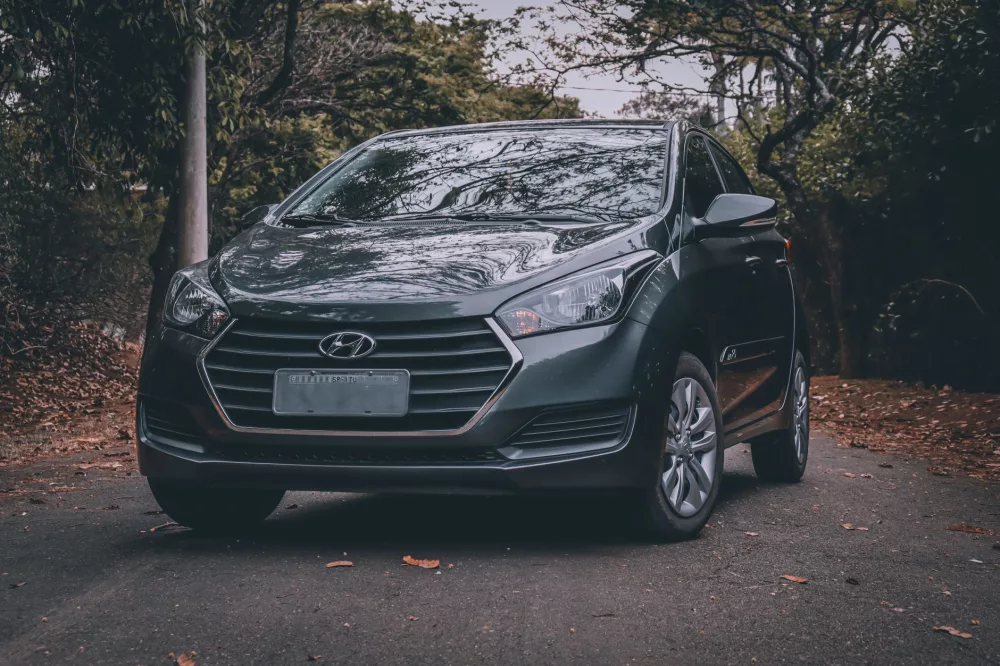
It wasn't that long ago that Hyundai and Kia were considered budget options, but boy, have they turned things around! Over the past decade, these South Korean brands have made enormous strides in quality, design, and, crucially, reliability. They now consistently rank very well in reliability studies, often offering excellent value for money with impressive standard features and fantastic warranties. They've clearly invested heavily in manufacturing quality, and it's paying off big time for consumers.
Beyond the Brand: Other Factors That Influence Your Car's Lifespan
While picking a reliable brand is a fantastic start, I've learned that it's not the *only* thing that determines how long your car will last or how many headaches it'll cause you. There are a few other big pieces to this puzzle:
- Maintenance, Maintenance, Maintenance! This is probably the biggest factor. Sticking to the manufacturer's recommended service schedule – oil changes, tire rotations, fluid checks, etc. – makes a world of difference. It's like going to the doctor for regular check-ups; preventative care keeps bigger problems at bay.
- Your Driving Habits: Are you a lead foot? Do you slam on the brakes often? Or are you a smooth, gentle driver? How you treat your car on the road definitely impacts wear and tear on components like the engine, brakes, and transmission.
- Specific Model Variations: Even within a super reliable brand, sometimes a particular model year or an engine/transmission combination might have known issues. It's always a good idea to research the specific model you're eyeing.
- Complexity of Features: Sometimes, the more bells and whistles a car has – especially advanced infotainment systems or complex electronic safety features – the more potential points of failure there might be down the line. That's not to say avoid them, but it's something to consider.
My Advice When You're Shopping
So, with all this in mind, what's my personal takeaway for someone looking for a truly reliable car? I'd say:
- Start with the Top Brands: Begin your search with Toyota, Lexus, Honda, Mazda, Hyundai, and Kia. They've earned their reputations.
- Research Specific Models: Once you have a few brands in mind, dive deep into the specific model and even the year you're interested in. Check out Consumer Reports' detailed reliability predictions for that exact vehicle.
- Read Owner Reviews: Sites like Edmunds, Kelley Blue Book, and forums dedicated to specific car models can give you real insights into common issues or praises from actual owners.
- Get a Pre-Purchase Inspection: If you’re buying a used car, please, please, please get an independent mechanic to do a thorough inspection. It’s a small investment that can save you from a huge mistake.
- Consider the Warranty: Especially with newer cars, a good warranty can give you an extra layer of protection and peace of mind.
Ultimately, a reliable car is a smart investment. It saves you money, time, and a whole lot of stress over the years. By focusing on brands with a proven track record and doing your homework on specific models, I'm confident you'll find a vehicle that will serve you well for many miles to come. It’s all about making an informed decision, right? Happy car hunting!